Under $250
A $250 glassing kit
An HD binocular and a harness. Genuinely enough for timber and whitetail distances, and the biggest single improvement most hunters ever buy.

Hunting optics, judged on the numbers
Trusted, spec-first buying guides for binoculars, rangefinders and spotting scopes - at $250, $500 and $1,000.
71
products with a live price right now
October 5, 2026
prices last verified
48h
and then every number disappears on its own
0
products we claim to have field-tested
Start with your budget
Most optics advice treats each item in isolation. Nobody spends money that way - you have a number in your head and you need to know how to split it.
Under $250
An HD binocular and a harness. Genuinely enough for timber and whitetail distances, and the biggest single improvement most hunters ever buy.
Under $500
Binocular, angle-compensating rangefinder, harness. Trusted yardage matters more here than the next step in glass quality.
Under $1,000
ED glass, a rangefinder, a harness and a tripod. A complete western setup with nothing obviously missing.
What won, and what it costs
Each card is the number-one pick from that roundup, with the price pulled live from Amazon. Click the headline for the reasoning, or the button for the current price.
We earn a commission if you buy through the links on this page, at no extra cost to you. It never changes which products we pick or how we rank them - read the full disclosure.
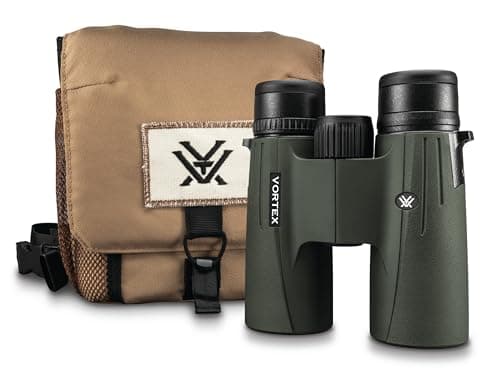
Best overall
The default answer when someone outgrows a $150 pair: 17 mm of eye relief, a 341 ft field of view and glass that holds its edges, at the price where diminishing returns start.
Price as of October 5, 2026. #ad How we earn
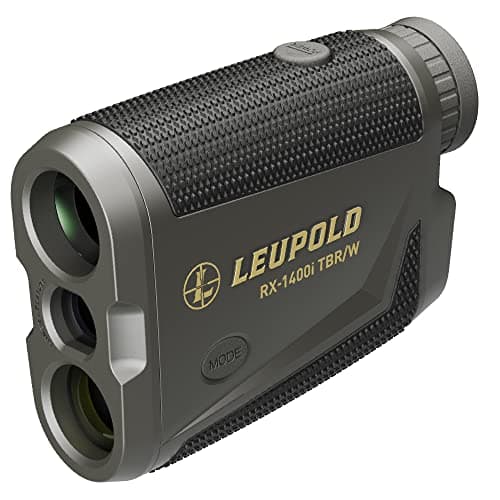
Best overall
TBR/W gives you the true horizontal distance and a holdover value in the same readout, which is the single most useful feature on a hunting rangefinder.
Price as of October 5, 2026. #ad How we earn
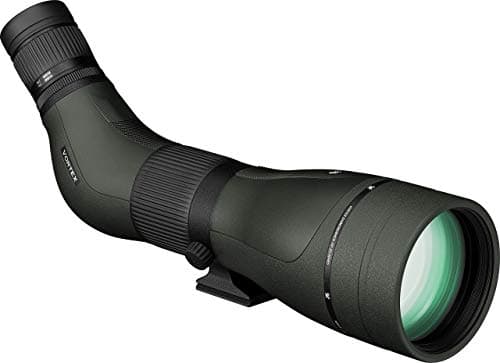
Best overall
An 85 mm objective, 20-60x, and 18.3-20.3 mm of eye relief for around $500, which is the cheapest credible way into a real spotting scope.
Price as of October 5, 2026. #ad How we earn
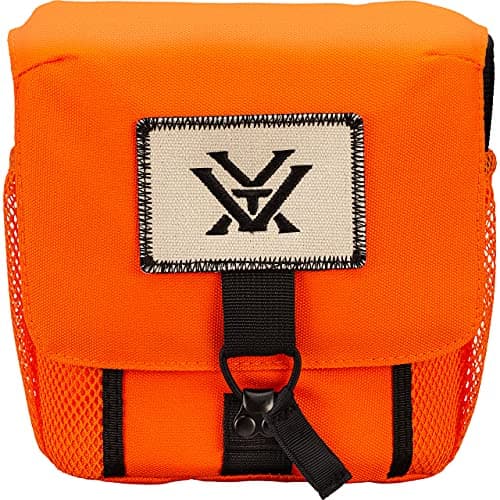
Best harness
At $29 this is the default: it holds the binoculars against your chest, closes over them in rain, and costs less than a tank of fuel.
Price as of October 5, 2026. #ad How we earn
Best angle-compensating
TBR/W gives you the true horizontal distance and a holdover value in the same readout, which is the single most useful feature on a hunting rangefinder.
Price as of October 5, 2026. #ad How we earn
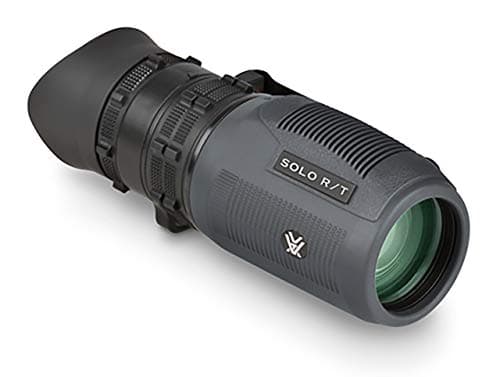
Best overall
A 4.5 mm exit pupil, 18 mm of eye relief and an MRAD ranging reticle in a unit that weighs a third of a binocular.
Price as of October 5, 2026. #ad How we earn
Six categories
Every hub is a real page, not a list of links: what the category does for a hunter, how the decision is actually made, and what separates the tiers.
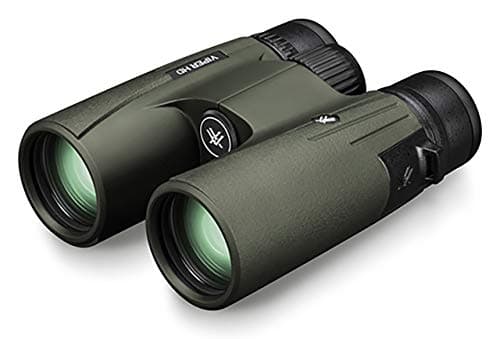
Binoculars
Picked by exit pupil, field of view and eye relief rather than marketing copy - because those are the three numbers that decide whether you see the animal.
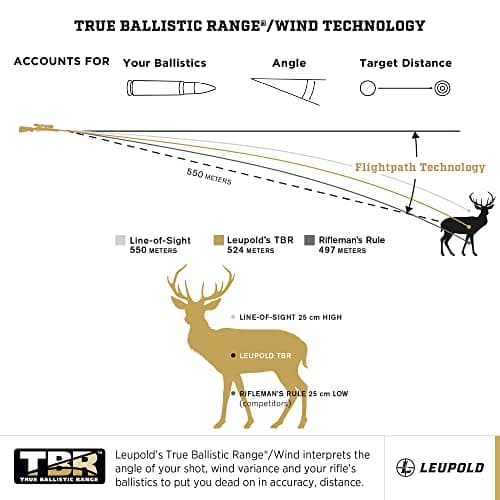
Rangefinders
Line-of-sight distance is the wrong number when you are shooting down a slope or out of a treestand. This is how to buy the unit that gives you the right one.
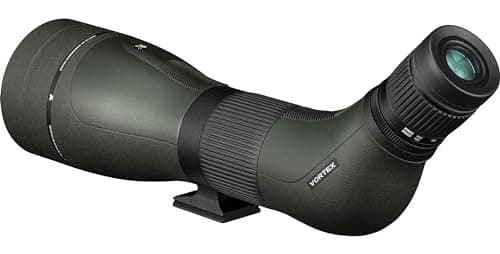
Spotting Scopes
A spotting scope is for judging an animal you have already found. If you are still looking for it, you want binoculars - and a scope you leave at camp is worth nothing.
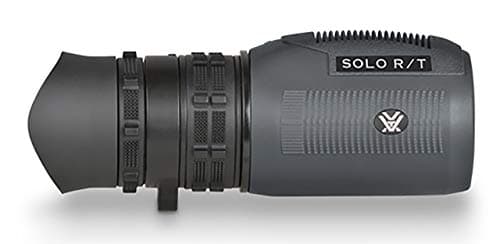
Monoculars
A monocular is half the bulk and half the weight of binoculars, and genuinely worse to look through for long. There are still three situations where it is the right call.
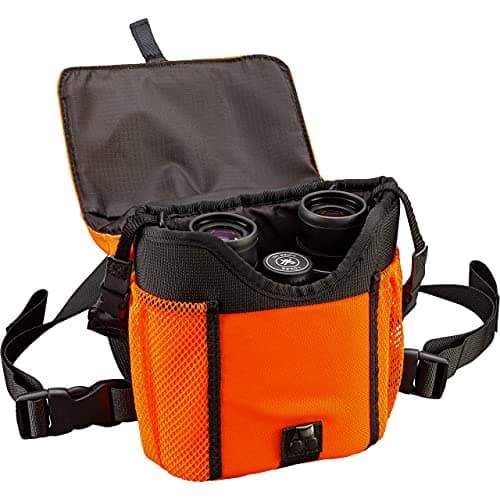
Harnesses & Tripods
The cheapest meaningful upgrade to any binocular is a $29 harness. The cheapest meaningful upgrade to any spotting scope is a tripod that does not wobble.
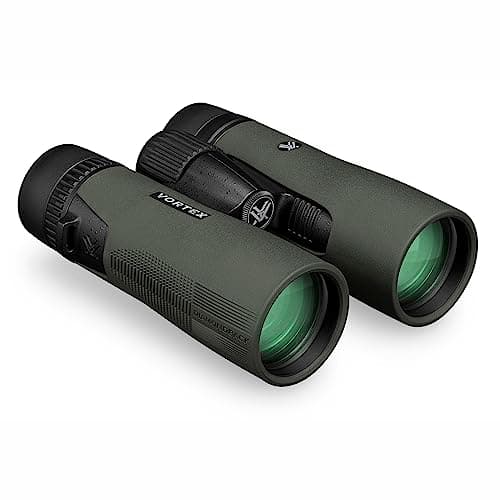
Guides
How to split a fixed budget across binoculars, a rangefinder and the gear that carries them - and what each tier genuinely changes.
Why trust any of this
We do not run a testing lab, and we are not going to write as though we do. Here is what we do instead, stated plainly enough that you can hold us to it.
Prices are live or absent
Every price comes from the Amazon Creators API and carries the date it was checked. If the data goes stale the number vanishes and the button reads "Check price" - the failure mode is silence, never a wrong figure.
The rubric is published
Our ranking criteria and their weights are on one page, per category, in weighted order. Every score on the site breaks down against them so you can check our conclusions against our own rules.
The arithmetic is shown
Exit pupil and twilight factor are computed from magnification and objective, with the formulas printed. We do not quote a derived figure we did not derive.
No tests we did not run
You will not find "in our testing" anywhere on this site, because we have not tested these products. Where the evidence is thin we say so instead of filling the gap with confident prose.
Read these first
If you only read four things here, read these.
Cornerstone
The whole upgrade curve, with the arithmetic - and what money cannot fix.
Cornerstone
The most consequential binocular choice there is, settled with arithmetic rather than preference.
Cornerstone
The most important rangefinder feature, with the geometry and a table of real errors.
Cornerstone
Where the money goes from $149 to $1,999, and where the curve flattens.
Latest
Glass & Ridge earns a commission when you buy through the links on this site, at no extra cost to you. We are a participant in the Amazon Services LLC Associates Program. That is the whole business model, and it is why the ranking criteria are published before the picks rather than after them: if the rules are visible, you can tell whether we followed them.
Commission never changes a verdict or an order. Where the cheaper option is the right one, the cheaper option is the pick - which happens repeatedly on this site, because the honest answer to "will $450 fix this" is often no.